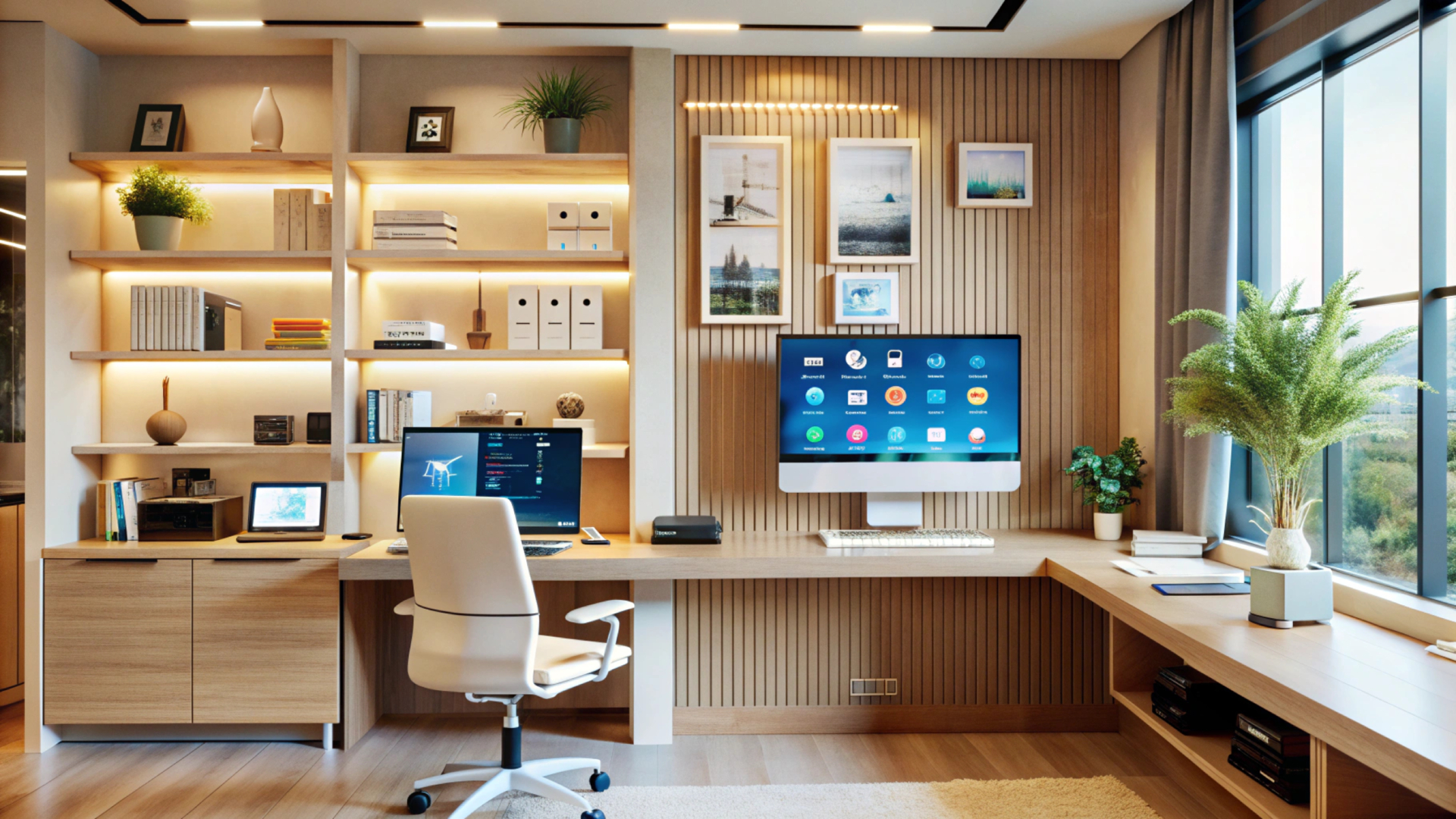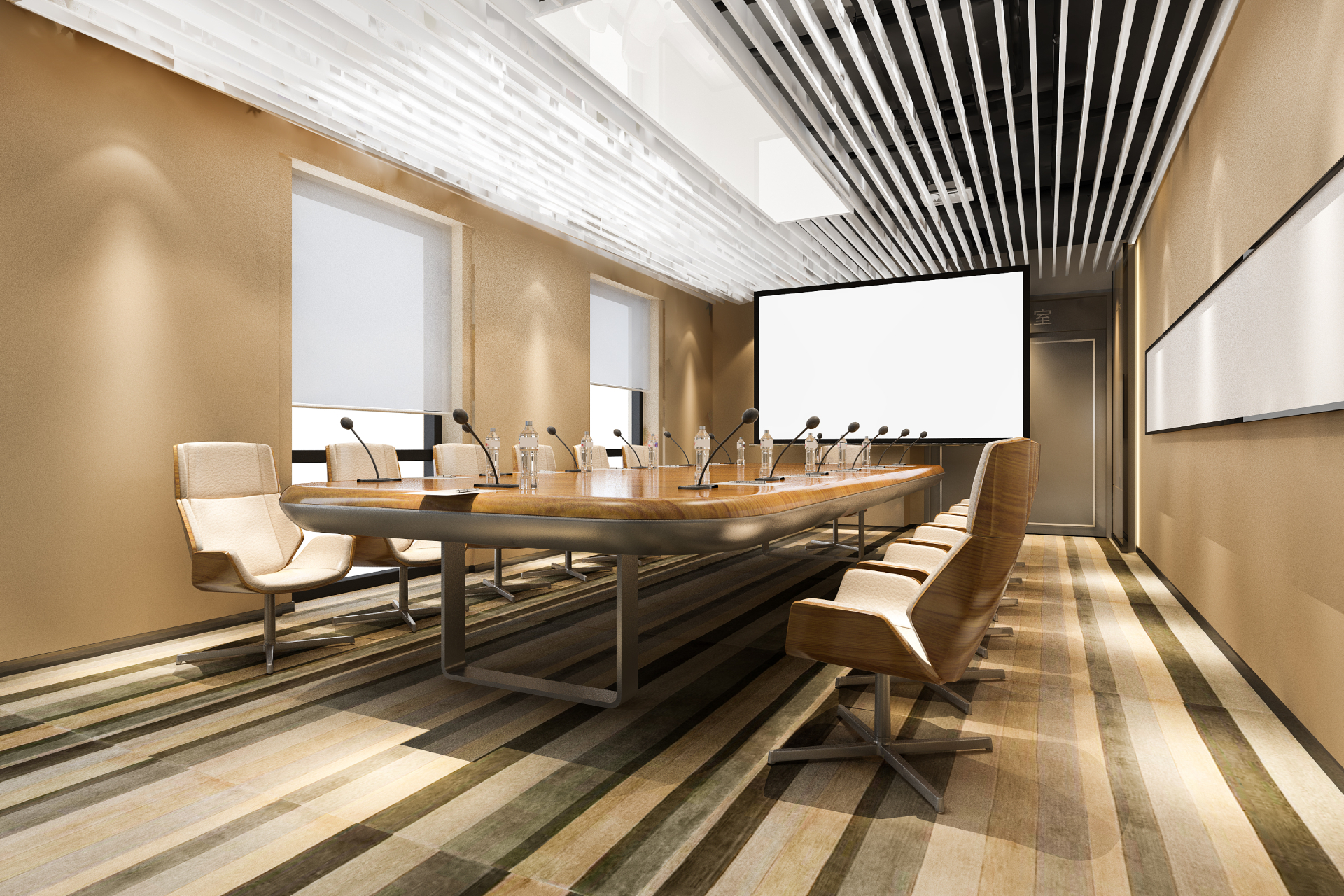
Businesses across Delhi, Gurgaon, Noida, Ghaziabad, and Faridabad are redesigning offices to support changing work patterns, stronger collaboration, and better use of available space. A top office interior designer helps transform these changing workplace requirements into practical, future-ready office environments.
Office design in 2026 is evolving to meet changing work models, higher employee expectations, sustainability goals, and the growing demand for smarter space utilisation. The latest trends help businesses create workplaces that are more adaptable, productive, and cost-efficient.
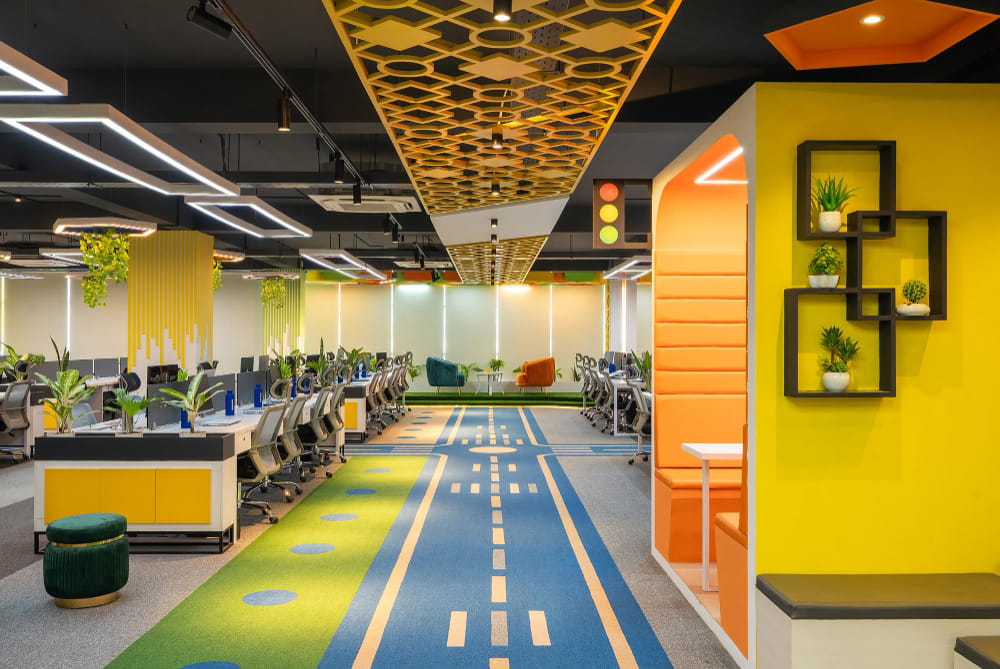
Office interiors continue to evolve based on how employees work, collaborate, and use office space. These trends are being adopted across startups, IT companies, consulting firms, manufacturing businesses, and corporate offices throughout Delhi NCR.
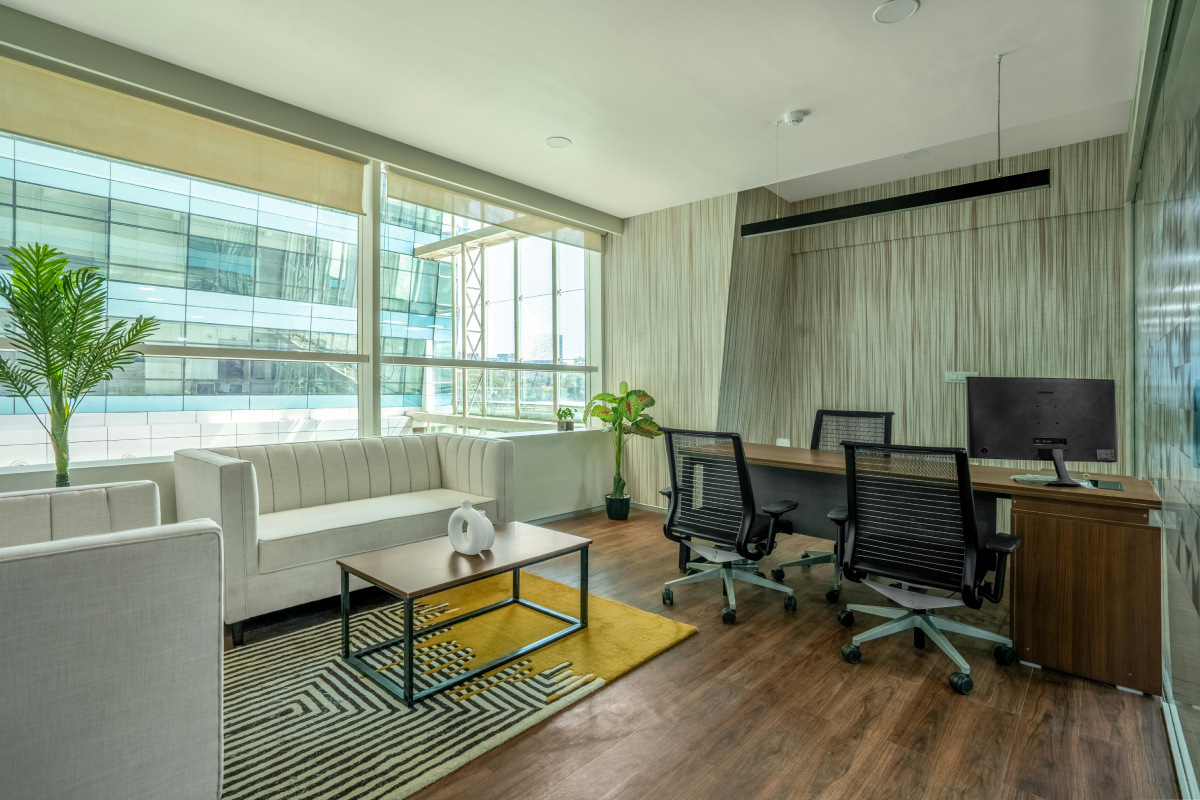
Natural elements have become a real part of office planning. Businesses are bringing in indoor plants, natural textures, wooden finishes, and better access to daylight to build healthier work environments.
Biophilic design tends to make offices feel more open and comfortable. Green walls, indoor plants, and nature-inspired materials add a balanced look while lifting the overall atmosphere of the workplace.
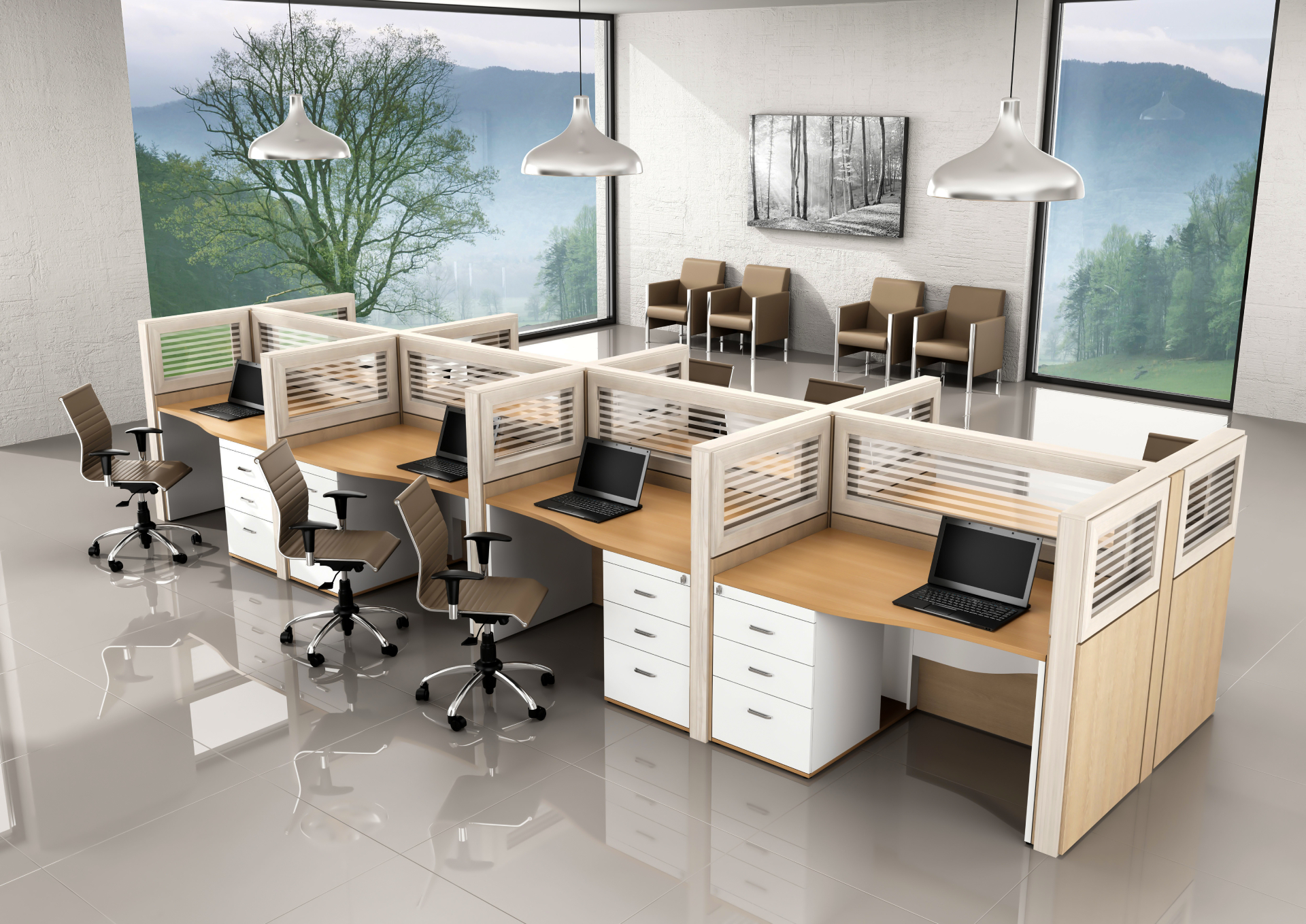
Open offices are great for communication, but noise can get in the way of focused work. That's pushed up demand for dedicated quiet zones inside workplaces.
Acoustic cabins, sound-absorbing panels, private discussion areas, and meeting pods help employees concentrate. A well-planned office balances collaboration spaces with areas where teams can work without distractions pulling at them.
Work patterns have shifted, and offices now need layouts that support different activities across the day. Employees might move between individual work, team discussions, client meetings, and virtual calls, sometimes all before lunch.
Flexible furniture, movable partitions, and multipurpose spaces let offices adapt without much trouble. A top office interior designer builds layouts that hold up for both current needs and whatever comes next.
For instance, a consulting firm may require quiet spaces for virtual client meetings alongside collaborative areas for project discussions. These layouts allow both functions to operate efficiently without requiring additional office space.
Modern offices are becoming more comfortable and more focused on the people using them. Workspatial design blends professional work areas with relaxed spaces that encourage communication and creativity.
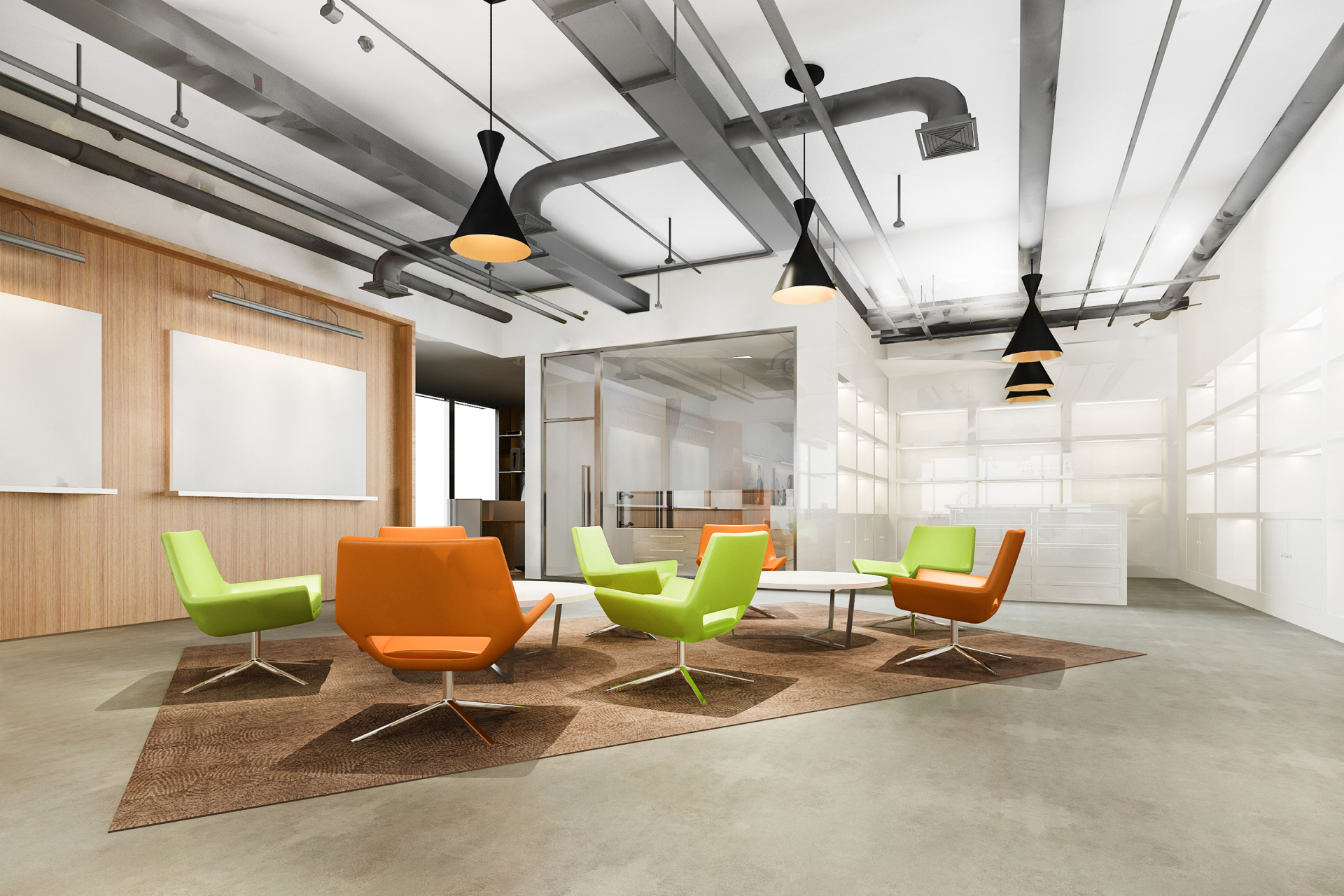
Lounge seating, informal meeting zones, breakout areas, and collaborative corners are showing up more often. These spaces let employees shift between different work modes without ever leaving the office.
Lighting has a direct effect on workplace comfort. Modern offices are moving past traditional lighting systems and adopting smart solutions that adjust based on usage and how much natural daylight is available.
Energy-efficient lighting, automated controls, and task-based lighting solutions build a better working environment while cutting down on unnecessary energy use.
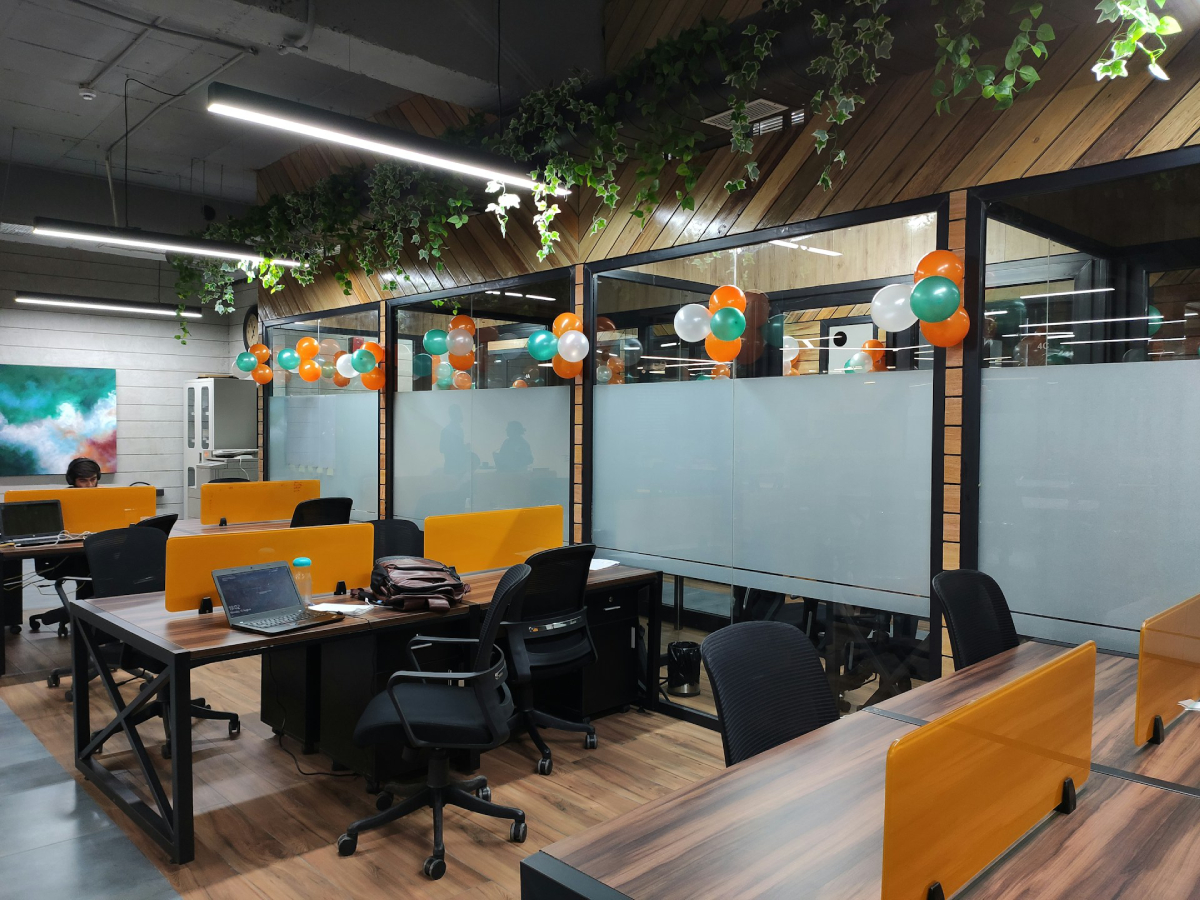
Fixed seating arrangements are slowly giving way to activity-based workspaces. Instead of locking every area to one purpose, offices now include different zones built for specific activities.
Focused work areas, collaboration spaces, meeting zones, and relaxation corners let employees choose spaces that match what they need on a given day. This approach adds flexibility and makes better use of the office space already available.
Office planning is getting smarter through workplace data. Businesses are looking at how employees actually use different areas to spot unused spaces, crowded sections, and places worth improving.
For example, workplace analytics can reveal that meeting rooms are consistently overbooked while collaboration areas remain underused, allowing businesses to redesign layouts based on actual usage patterns.
A Top Office Interior Designer can take these insights and shape layouts that improve space utilisation while making future expansion easier to manage.
Sustainable design has turned into a major consideration for businesses planning new offices. Companies are choosing materials and systems that cut environmental impact without giving up durability.
Energy-efficient lighting, recycled materials, natural finishes, and resource-saving solutions are becoming standard features in modern workplaces. These choices help build office environments that are both responsible and comfortable.
Office interiors now do more than provide a place to work. They also carry a company's identity and values.
Reception areas, collaboration zones, meeting rooms, and breakout spaces increasingly reflect a company's identity through carefully selected colours, graphics, and materials. The result is a workplace that feels consistent for employees while leaving a stronger impression on clients and visitors.
The traditional formal office look is gradually loosening up. Companies are building spaces that feel more natural and comfortable while still holding onto a sense of professionalism.
Personalised workstations, flexible seating, and welcoming common areas help employees feel more connected to where they work. The focus has shifted toward offices that people actually enjoy using every day.
Businesses in Delhi NCR are moving towards flexible workspace designs because workplace requirements never really stop changing. Fixed layouts often struggle to keep up with new working styles, team growth and shifting project needs.
Flexible office planning lets companies adjust spaces without a major redesign every time. Modular furniture, adaptable meeting rooms and multipurpose areas help organisations build workplaces that can evolve alongside the business.
It's no longer only about having more space. It's about making better use of the space already there.
Modern office interiors are no longer viewed as a design upgrade alone. Businesses increasingly see workplace planning as an operational investment that supports productivity, employee retention, client experience, and long-term scalability.
Businesses are investing in professional office interiors because modern workplaces need to support better space utilisation, employee wellbeing, stronger brand identity, technology integration, and long-term operational flexibility.
Modern office design also helps businesses attract skilled professionals, improve client perception, and make better use of long-term real estate investments.
Working with a top office interior designer gives companies spaces that combine functionality with a genuinely professional appearance.
Every business operates differently, which is why office planning should reflect workflow, team size, future expansion, and brand identity. Corporate Interiors India develops customised office interiors that combine functional planning, modern aesthetics, and efficient execution for businesses across Delhi NCR.
The company offers customised office space planning, workplace design solutions, complete project execution, modern office layouts and interior solutions built for corporate environments.
From concept planning and 3D visualisation to execution and handover, Corporate Interiors India manages complete office interior projects for businesses across Delhi NCR.
Workplace expectations will continue to evolve, but practical planning remains the foundation of every successful office. Businesses that invest in flexible layouts, employee-focused design, and efficient space utilisation are better prepared for future growth. Working with a top office interior designer helps create an office that performs well today while adapting to tomorrow's business needs.
Businesses that adopt these office interior trends today are better positioned to improve employee experience, support future expansion, and make more effective use of their workspace. Thoughtful planning creates offices that continue delivering value as business needs evolve.
Investing in the right office interior today creates a workspace that supports productivity, reflects your brand, and adapts as your business grows.