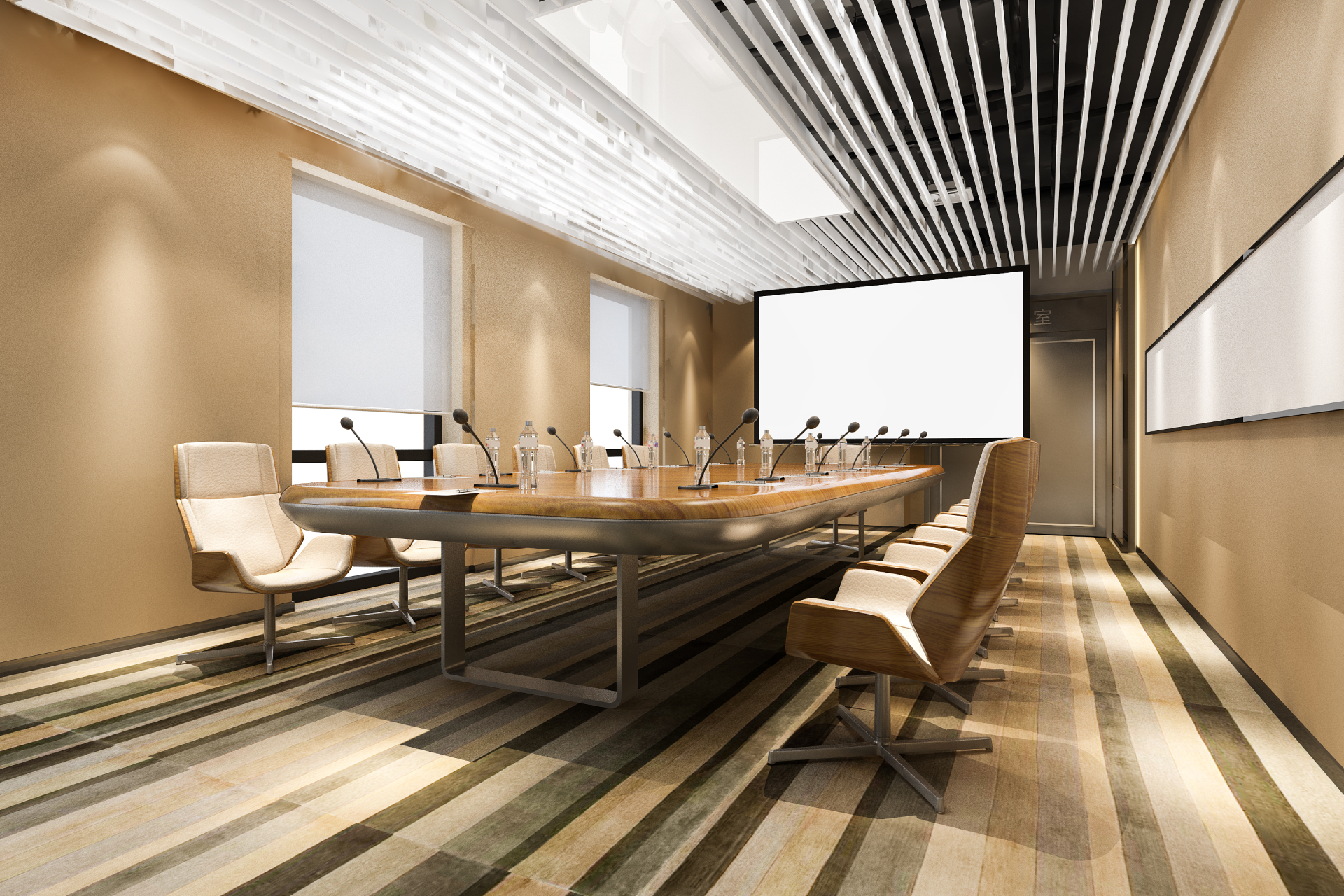
Office interior design is not just about making a workplace look good. It’s about how the space works, how people feel in it, and how it supports the way a business runs every day. The layout, lighting, furniture, colors, and even the way teams sit together all shape how work gets done.
A well-designed office makes things easier. People move better, focus longer, and communicate more naturally. A poorly planned one does the opposite, no matter how nice it looks.
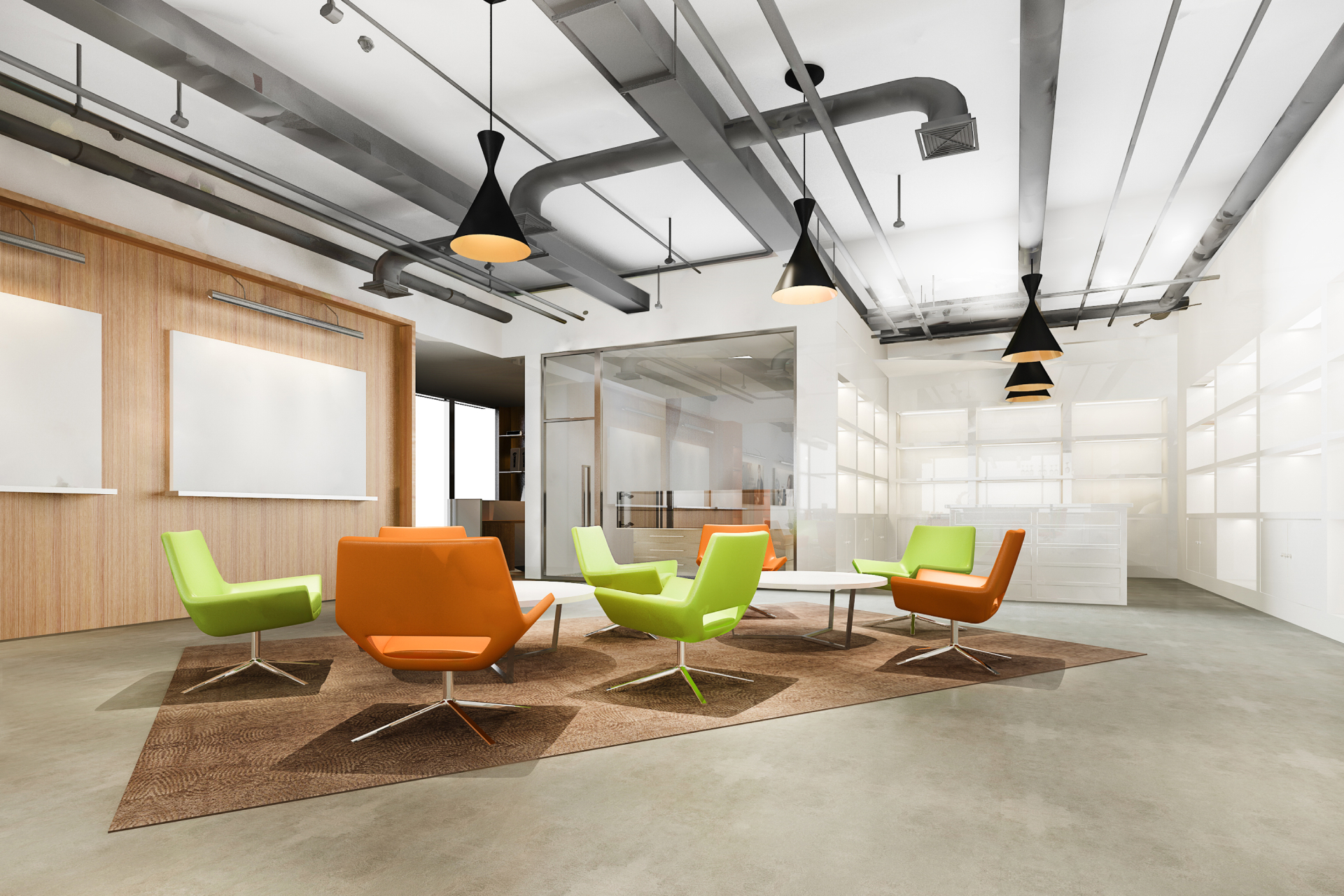
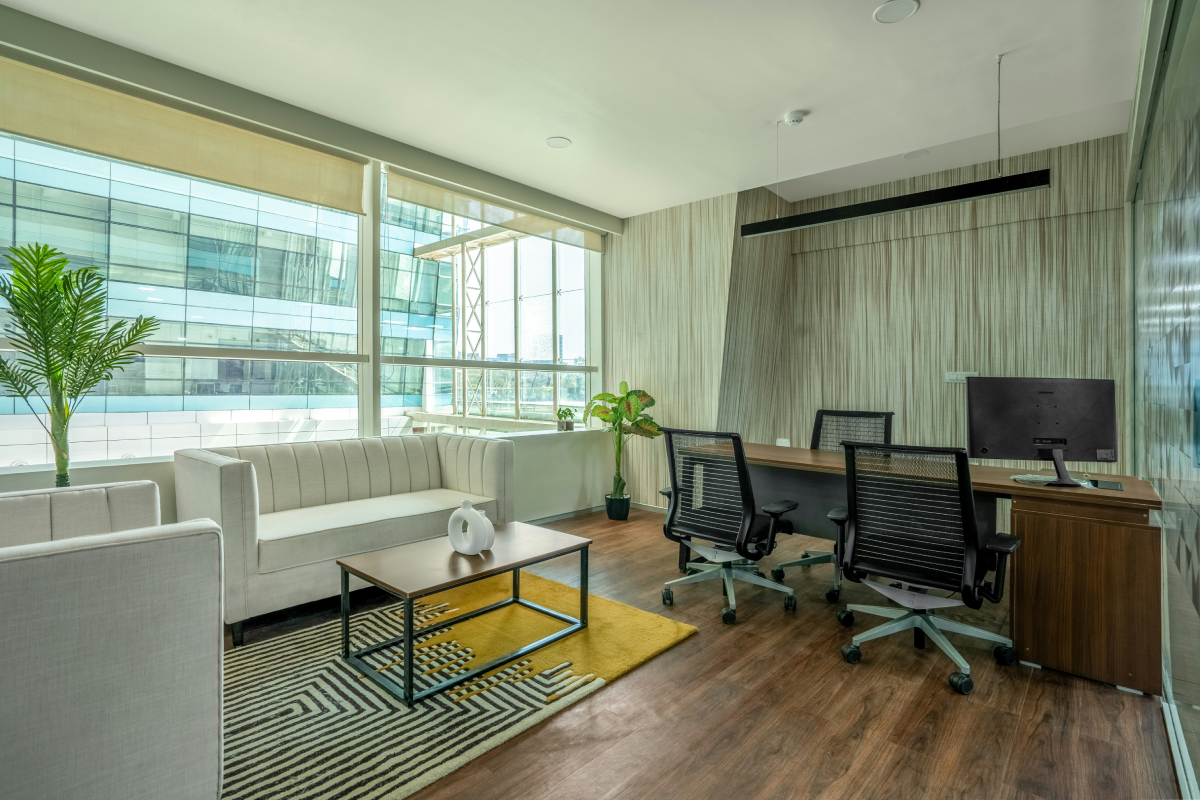
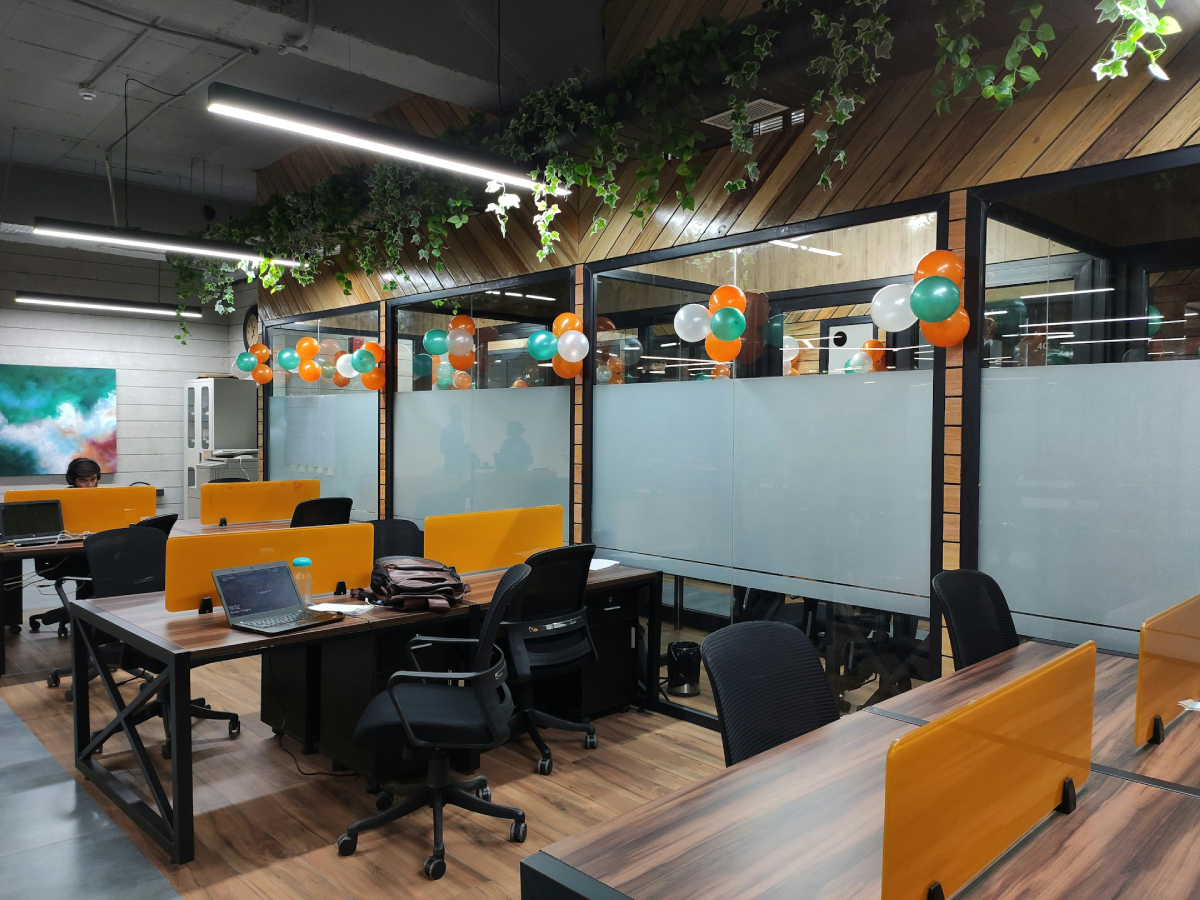
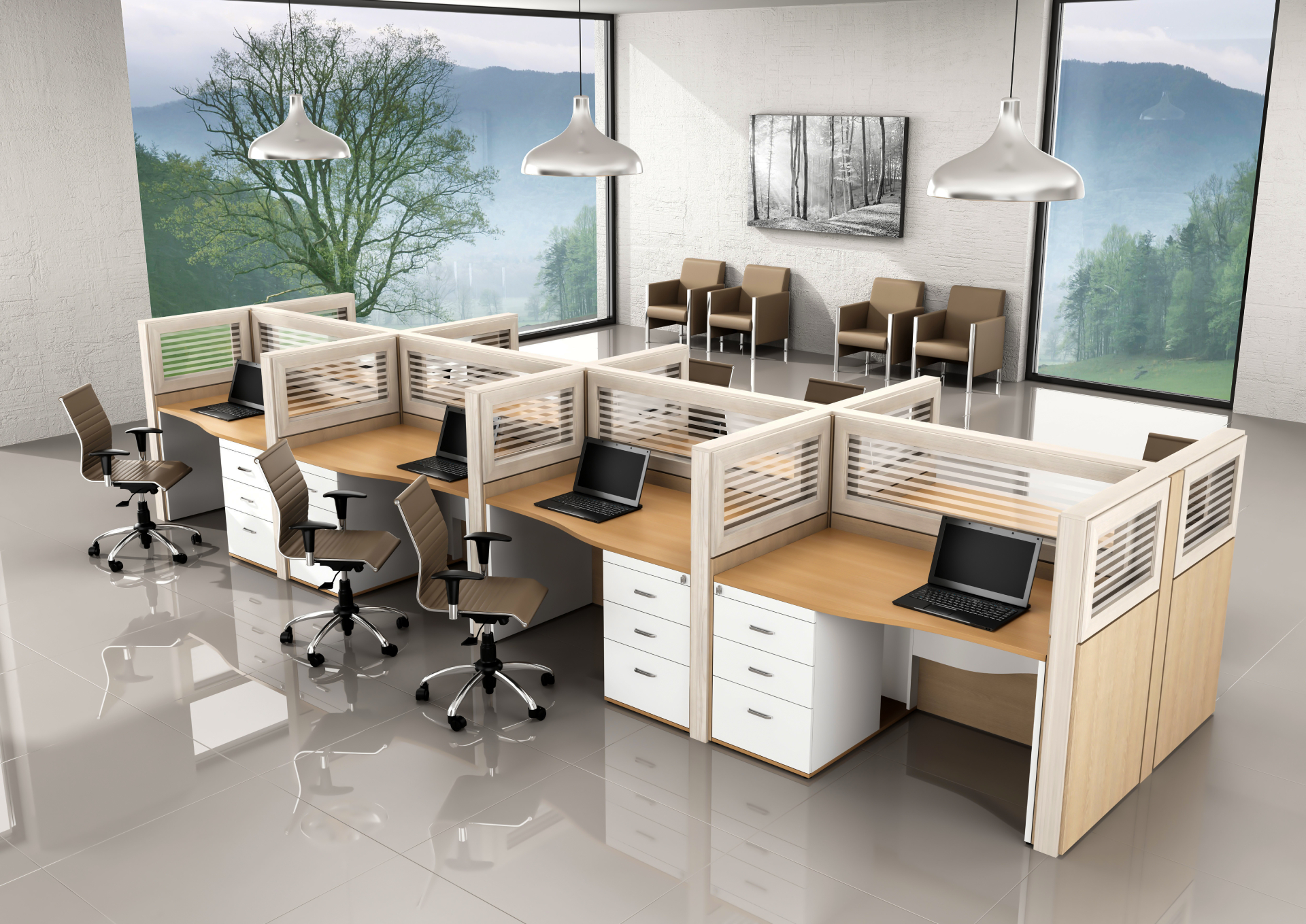
It goes far beyond picking desks and chairs. A proper office interior design includes space planning, workflow mapping, lighting setup, acoustics, storage, meeting areas, and brand presence. Everything has a purpose. Think about a sales team that spends most of the day on calls. If they sit in an open, noisy area, productivity drops fast. Move them into a semi-quiet zone with acoustic panels and proper seating, and you’ll see a clear difference in output and mood. The same applies to leadership cabins, breakout areas, reception zones, and collaborative spaces. Each part of the office should match how it’s used.
Work has changed. Hybrid teams, flexible hours, and tech-driven workflows are now standard. Offices are no longer just places where people sit from 9 to 6. They’ve become spaces where teams connect, plan, and solve problems together.
That shift has made design more important than ever. Companies now expect their office to support different work styles in the same space. Quiet zones for focused work, open areas for discussions, and comfortable corners for informal meetings all need to exist together.
Employees also expect more. They don’t want dull, rigid spaces anymore. They want comfort, flexibility, and a place that feels worth coming to.
A good office interior design doesn’t just improve the look of your workspace. It directly affects how your business performs.
Start with productivity. When people sit in a space that supports their work, they get more done without feeling drained. Proper lighting reduces eye strain. Comfortable seating prevents fatigue. Clear layouts reduce wasted time.
Then comes employee retention. People notice where they work. A well-designed office makes them feel valued. It sends a clear message that the company cares about their comfort and experience. That matters more than most companies realize.
It also plays a role in hiring. When candidates walk into your office, they form an opinion within minutes. A clean, modern, well-planned space builds trust instantly. It shows that your business is serious and growing.
Client perception works the same way. When a client visits your office, the space speaks before you do. A thoughtful design builds confidence without saying a word.
Your office should reflect who you are as a company, not in a loud or forced way, but in a natural and consistent way. A creative agency might use bold colors, open layouts, and flexible seating. A finance firm may prefer a more structured setup with clean lines and quieter spaces. A tech company might focus on collaboration zones and informal meeting areas. The goal is not to copy trends. It’s to build a space that matches your work style and values.
Businesses in 2026 are moving toward flexible layouts. Instead of fixed seating, they’re creating adaptable spaces that can change based on team needs.
They are also paying attention to employee comfort. Better chairs, natural lighting, greenery, and relaxed zones are now common. These are not luxuries anymore. They are part of a functional workplace.
Technology is also built into the design from the start. Meeting rooms come ready for virtual calls. Workstations support multiple devices. Charging points, screens, and connectivity are planned, not added later.
Yes, and the return shows up in more ways than one. You may not see it as a direct number on a report, but it reflects in productivity, employee satisfaction, and how smoothly your operations run. Over time, those gains are far more valuable than the initial cost.
A well-designed office doesn’t need constant fixing or rearranging. It works right from the start and keeps working as your team grows.