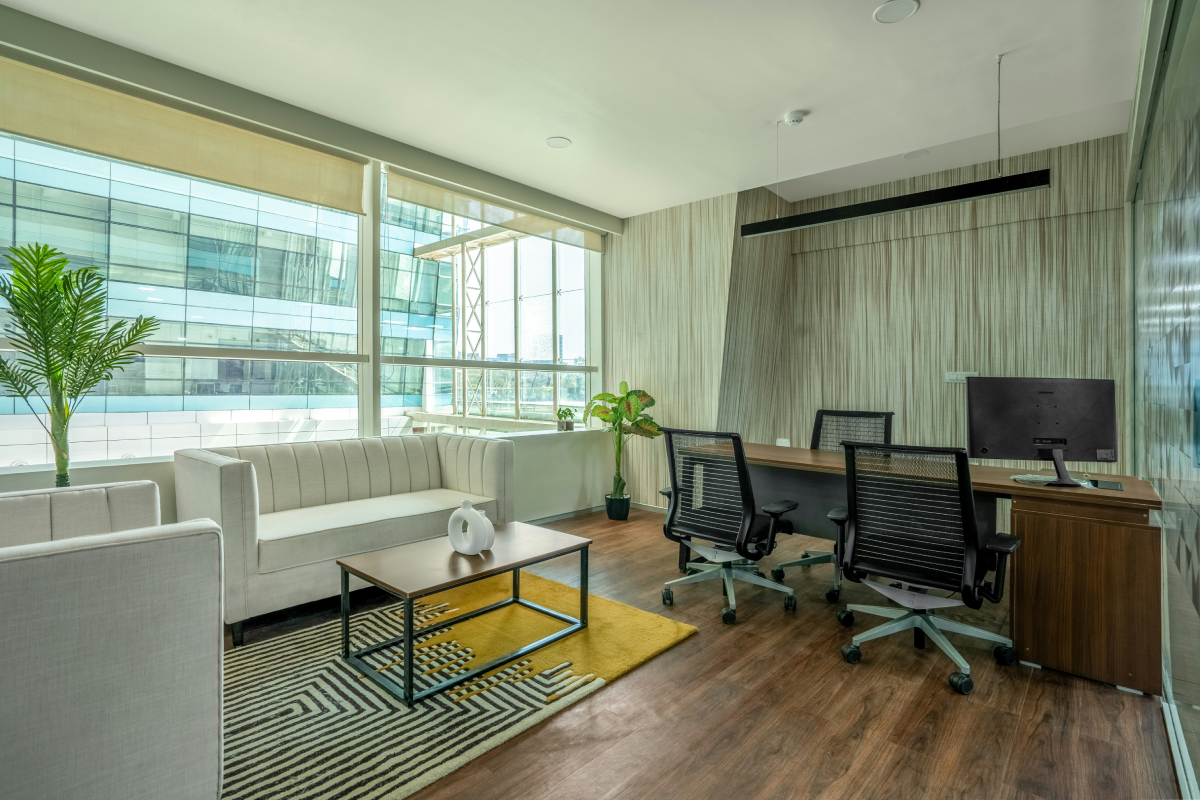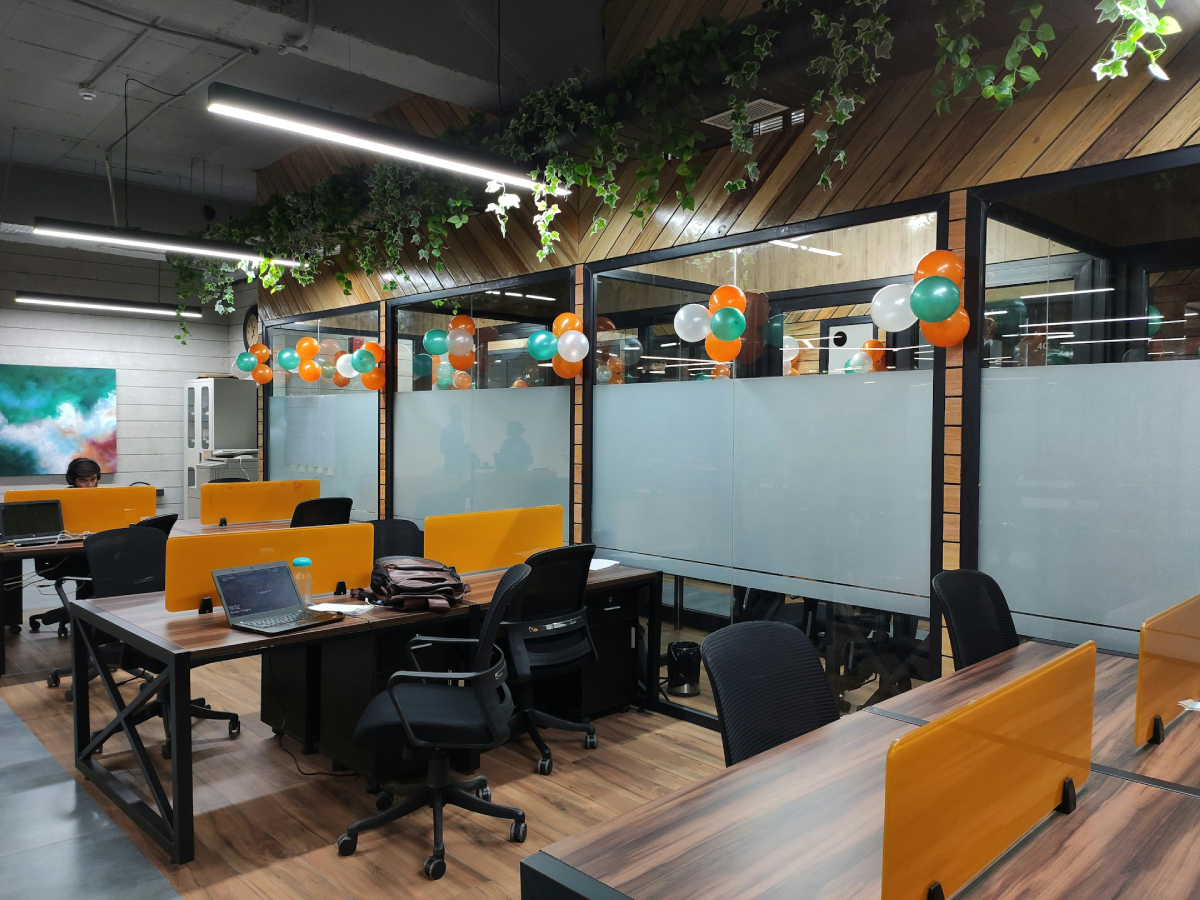
Walk into any IT office today, and you'll notice one thing straight away: it doesn't look the same as it did five or ten years ago. The way people work has changed. Developers spend hours solving complex problems that need complete focus. Designers bounce ideas off each other. Project managers move from one discussion to the next. Some employees work from the office every day, while others come in only a few times a week. That shift has made office interior design for IT Companies more important than ever.
It's no longer about filling a floor with desks and conference rooms. The office needs to support different ways of working while making people feel comfortable enough to do their best work. A thoughtfully designed workplace can improve productivity, encourage teamwork, and even make a positive first impression on clients walking through the door. More importantly, it gives employees a space where they actually want to spend their day.
Technology moves quickly, and IT companies grow just as fast. Office spaces need to keep up. A well-planned workplace isn't simply about appearance. It affects how people work, communicate, and feel throughout the day.
Many companies make the mistake of treating every department the same. In reality, developers, HR teams, designers, and sales professionals all use the office differently, so the layout should reflect that.
Creating separate spaces for focused work and collaboration allows both to happen without getting in each other's way.
People spend nearly one-third of their day at work. Small details start to matter after a few hours. Comfortable chairs, proper desk heights, natural lighting, and good ventilation don't seem like big things individually. Together, though, they make long workdays much easier. When employees feel physically comfortable, staying productive becomes a lot easier too.
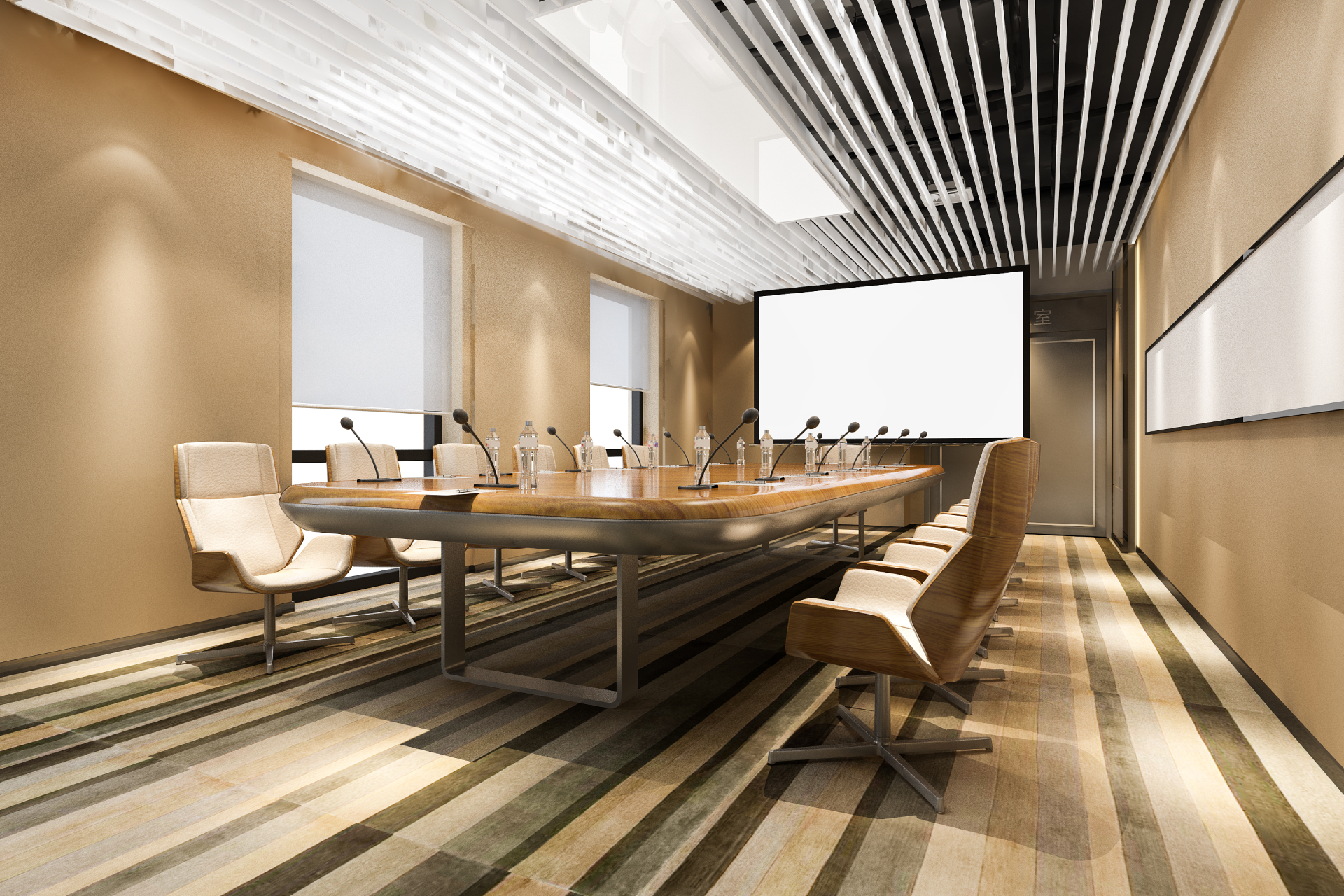
Hybrid work isn't a trend anymore. For many IT companies, it's simply how business operates. That means offices need flexible workstations, meeting rooms with reliable video conferencing, and spaces that employees can use when they come in, rather than fixed desks sitting empty for days.
Clients, business partners, and job candidates notice your workspace. A clean reception, organised meeting rooms, thoughtful branding, and inviting common areas quietly communicate how your business operates. It says you're professional without needing to say much at all.
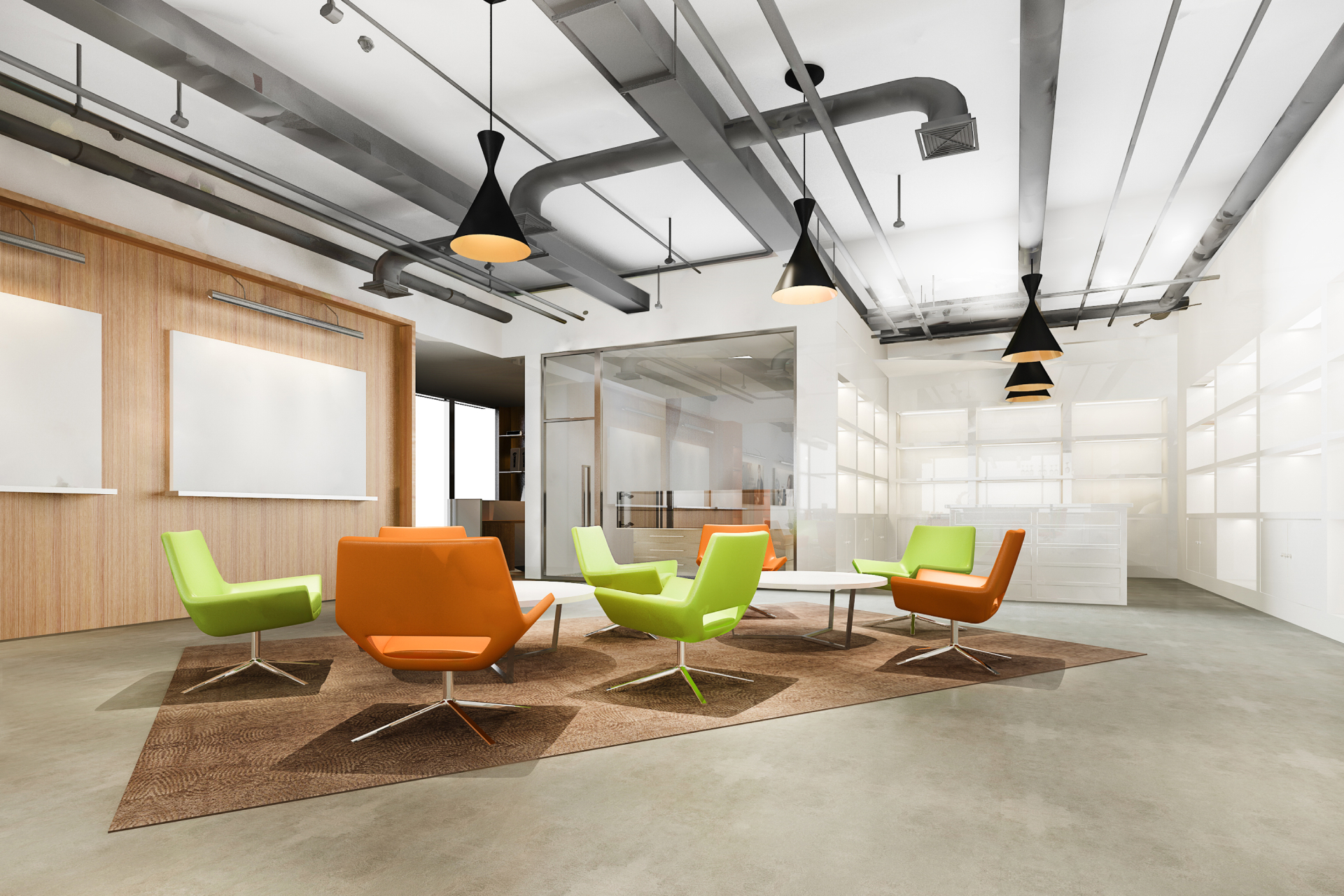
Some conversations happen best around a meeting table. Others start over coffee.
Adding informal collaboration spaces gives teams somewhere to quickly exchange ideas without booking a conference room every single time.
Every company works differently, so every office should too. Still, most successful IT Office Interior Design Solutions include a few common elements.
Nobody enjoys sitting in the same environment all day. Some tasks need silence. Others need discussion.
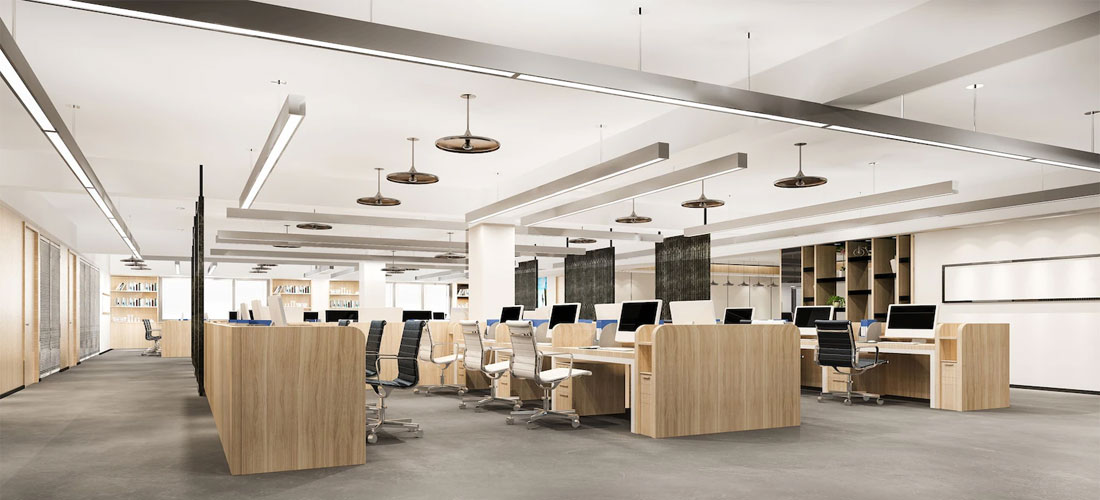
That's why modern offices combine open workspaces with quiet zones, meeting rooms, phone booths, and casual breakout areas. Employees can simply choose the space that suits the work they're doing.
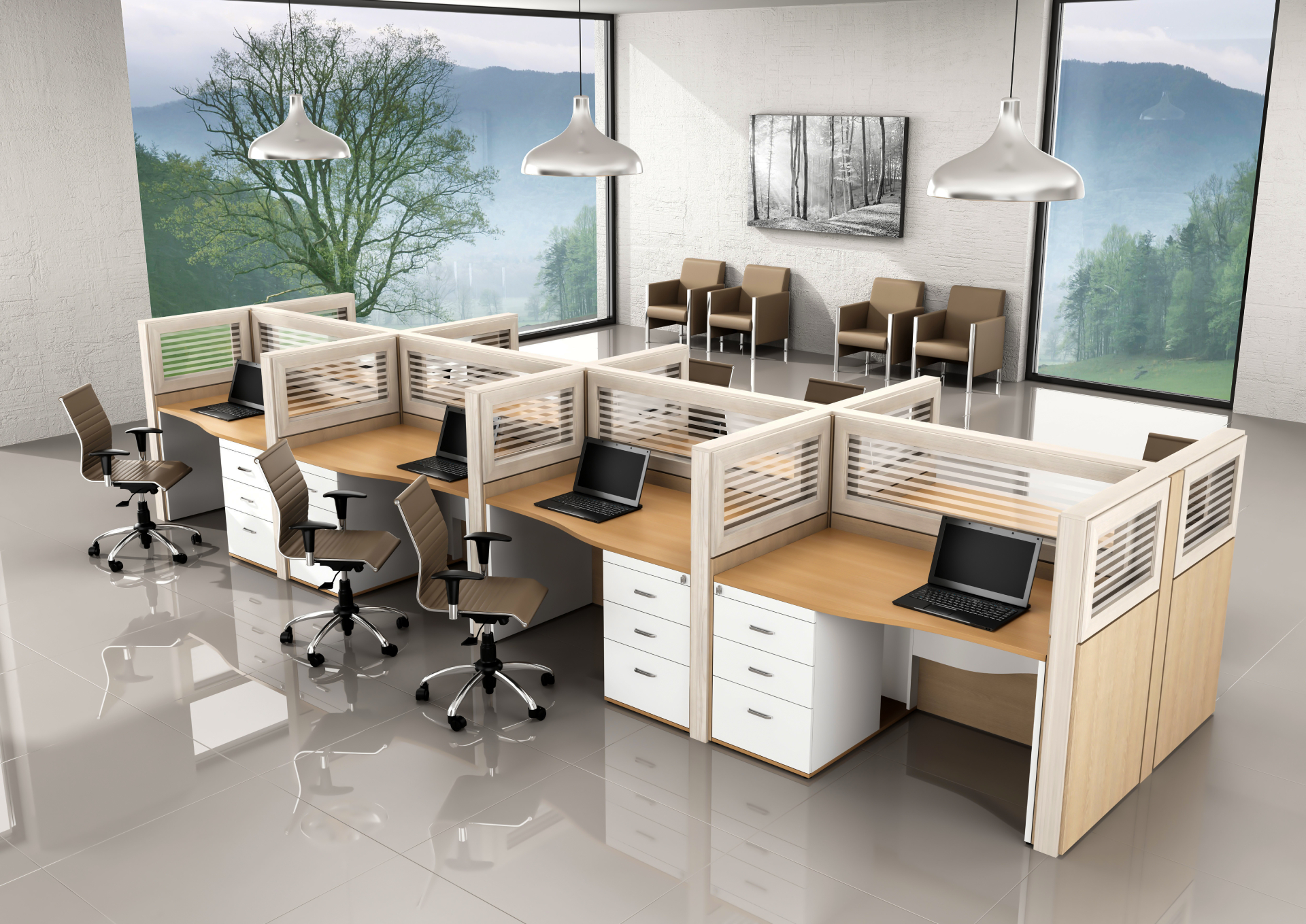
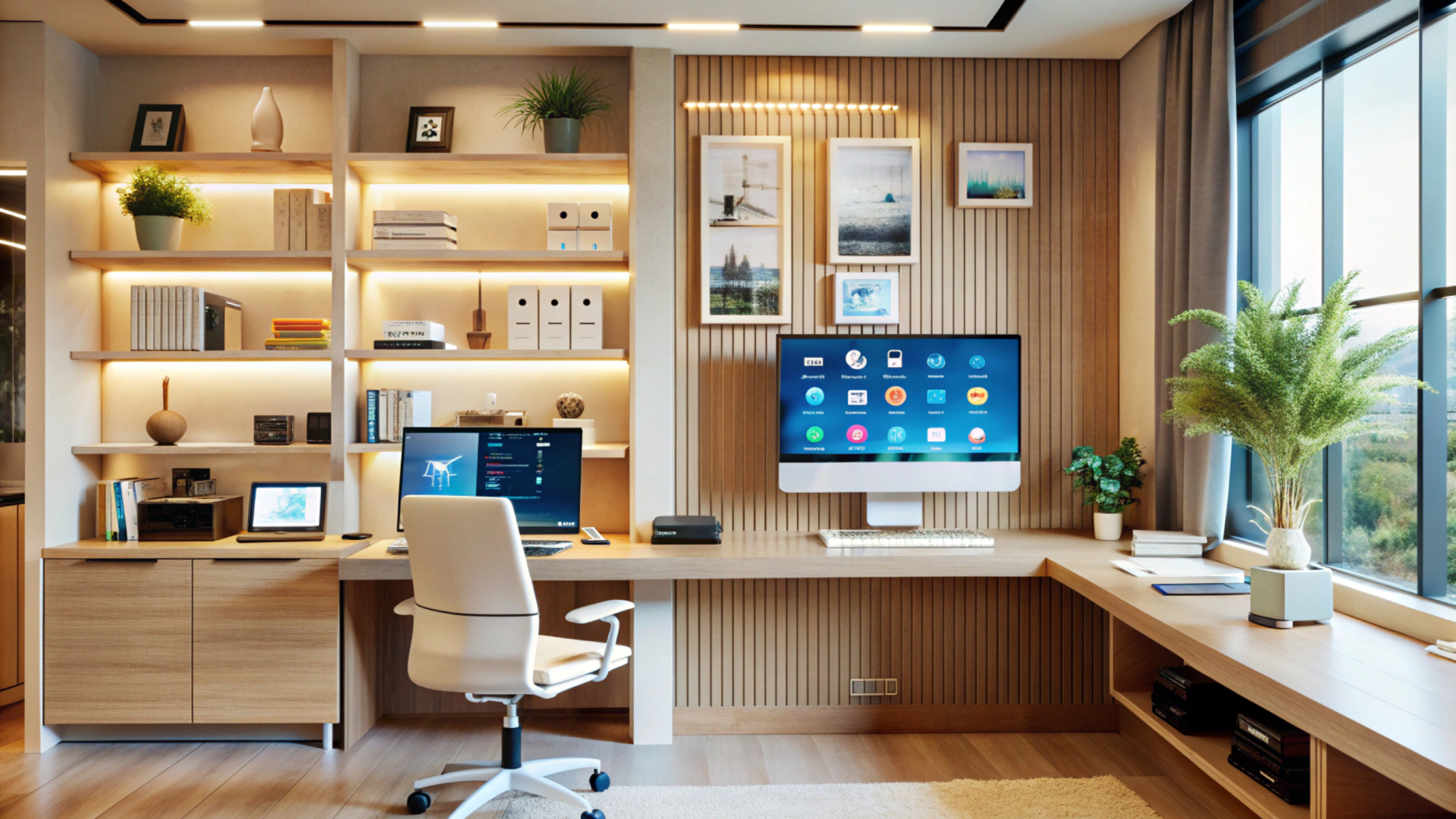
Office furniture shouldn't just look modern. If someone spends eight or nine hours at their desk, comfort matters far more than appearance.
Adjustable chairs, spacious desks, monitor stands, and ergonomic workstations help reduce strain during long working hours. It's a practical investment that benefits employees every day.
Technology should support the office, not complicate it. Simple additions like wireless presentation systems, organised cable management, video conferencing equipment, and smart meeting room booking systems make everyday tasks smoother.
People spend less time fixing technical issues and more time getting work done.
Anyone who's worked under harsh lights or in a noisy office knows how exhausting it can be. Natural daylight, balanced lighting, acoustic panels, carpets, and sound-absorbing materials create a calmer workspace where people can concentrate without constant distractions. These details often go unnoticed, but they make a real difference over time.
Workdays aren't meant to be spent staring at a screen without a break. Breakout lounges, cafeterias, wellness rooms, or even a small seating area give employees somewhere to recharge for a few minutes before getting back to work.
Sometimes a short break is exactly what's needed to solve the problem that seemed impossible an hour earlier.
Designing an office always comes with a few hurdles. Fortunately, most of them have practical solutions.
As IT companies grow, office space often starts feeling cramped. Using flexible furniture, shared workstations, smart storage, and multi-purpose meeting rooms helps make better use of available space without making the office feel overcrowded.
Open layouts make teamwork easier, but they don't always work well for employees who spend hours coding or analysing data. Creating a few quiet zones or acoustic pods can make the office far more comfortable without changing the entire layout.
Many businesses design offices around their current team size. A year later, they're already running out of room. Modular furniture, movable partitions, and flexible layouts make it easier to accommodate future growth without completely redesigning the office.
Every IT company works differently, so its office should too. The right office interior design for IT Companies reflects the way your teams work while making the best use of the available space.
The best offices aren't always the most expensive ones. They're the ones that make everyday work easier, whether someone is writing code, meeting a client, or brainstorming with teammates.