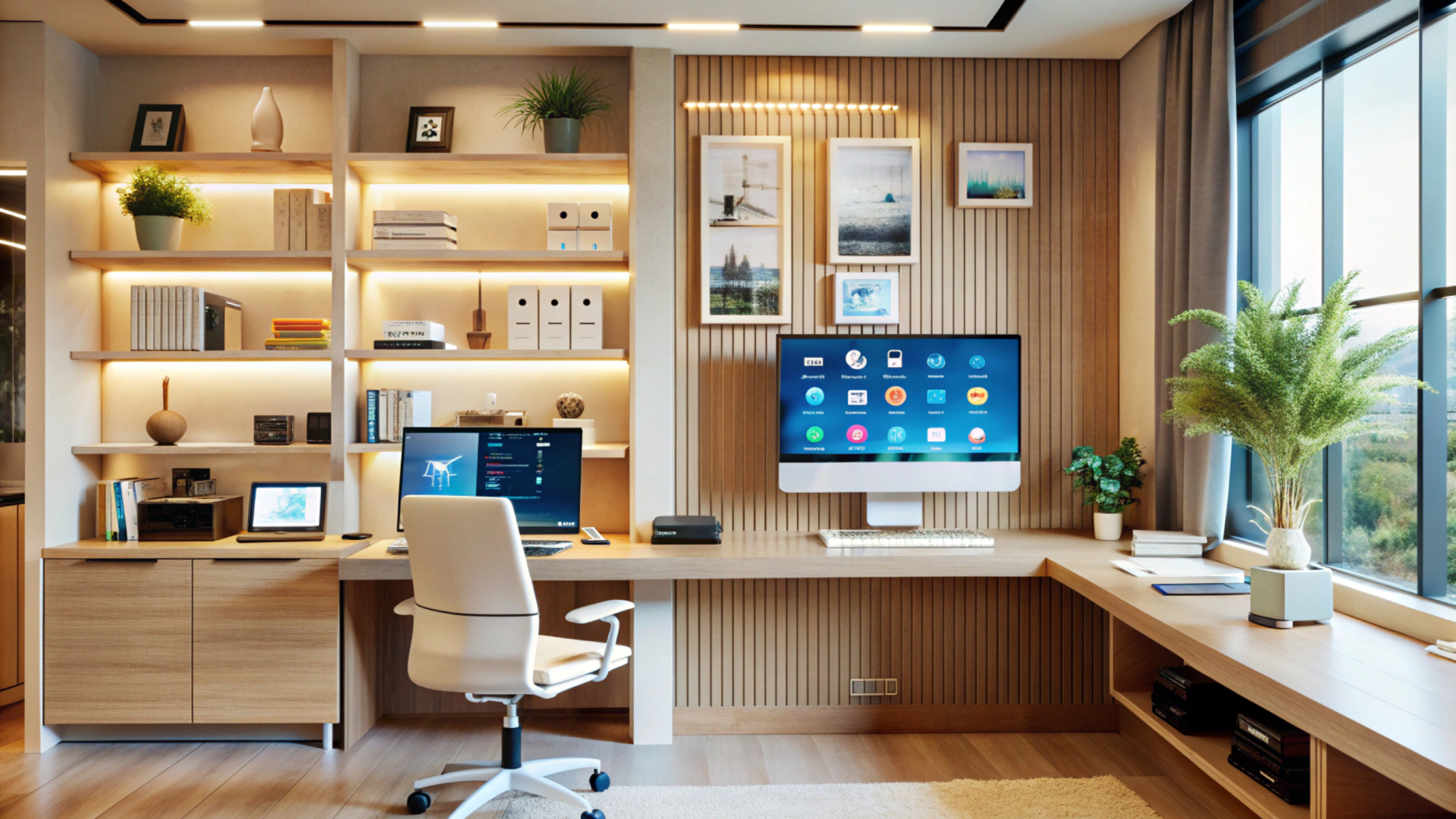
The way people work has changed over the last few years. Many businesses now have employees dividing their time between home and the office. Creating a customized workspace for hybrid teams has become one of the biggest priorities for companies that want to support collaboration, flexibility, and day-to-day productivity.
A hybrid office isn't just about fitting in more desks anymore. On some days, the office is full. On others, only a part of the team is around. The space has to work well in both situations without feeling empty or overcrowded.
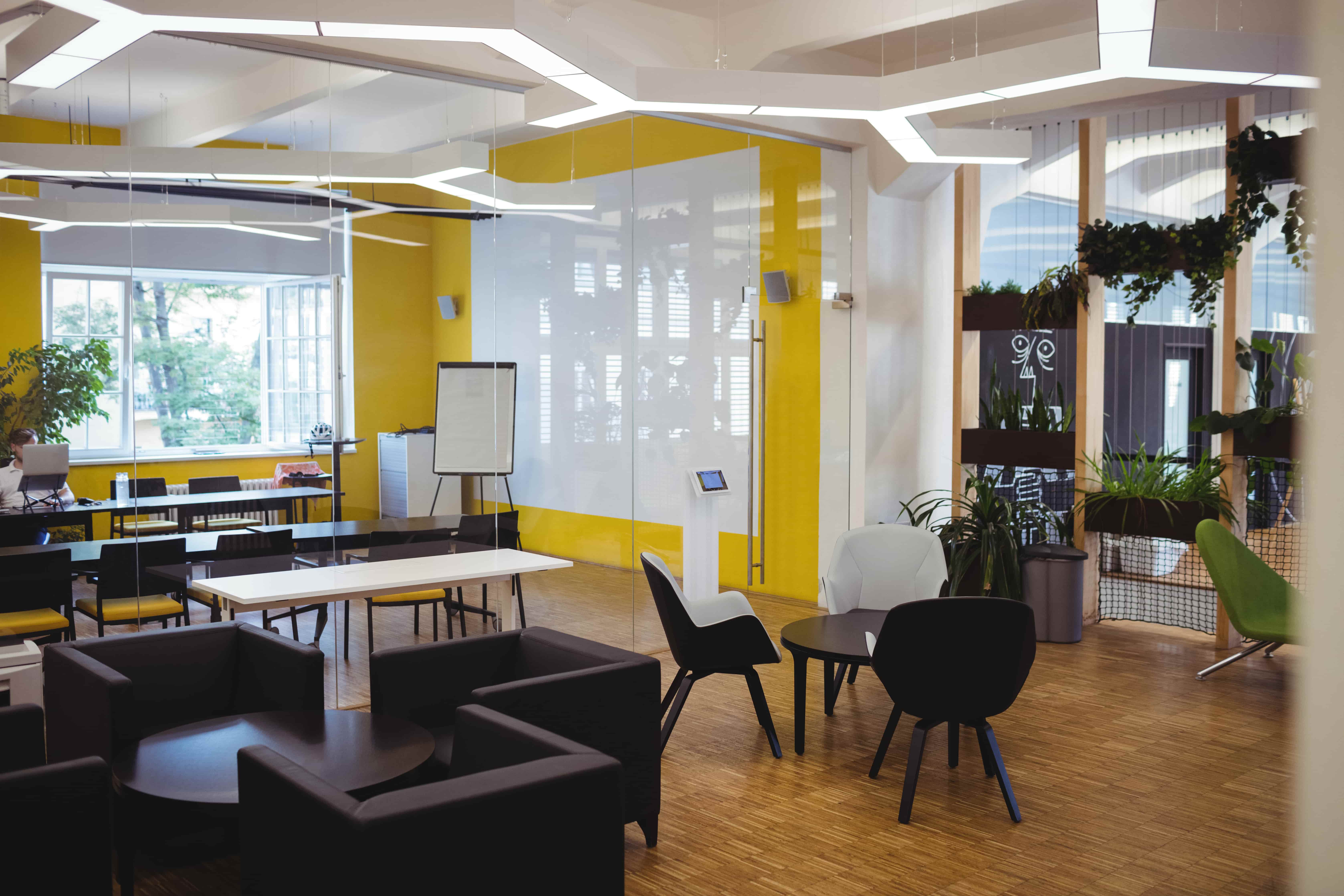
That's why we don't begin with furniture or colours at Corporate Interiors India. We first look at how your team works, how people move through the office, and what the business needs today as well as a few years from now. The design comes after that, not before.
A hybrid office works differently from a traditional one. Some employees visit the office every day. Others may come in only a few times a week. Meeting rooms often include both in-person and remote participants. At the same time, people still need quiet spaces where they can concentrate without distractions.
Trying to fit all these activities into a conventional office layout rarely works well. That's why office interior design for Hybrid Teams focuses on flexibility instead of fixed layouts.
The idea isn't to make the office bigger. It's to make it work better.
Before making any design decisions, spend some time understanding how your office is actually used. Every business is different, so the answers won't be the same for everyone.
Think about things like:
Once these questions are answered, planning the workspace becomes much more straightforward. Instead of guessing what might work, you're designing around the way your team already works.
No one spends the entire day doing the same thing. One hour might be packed with meetings, while the next is spent quietly working on a report.
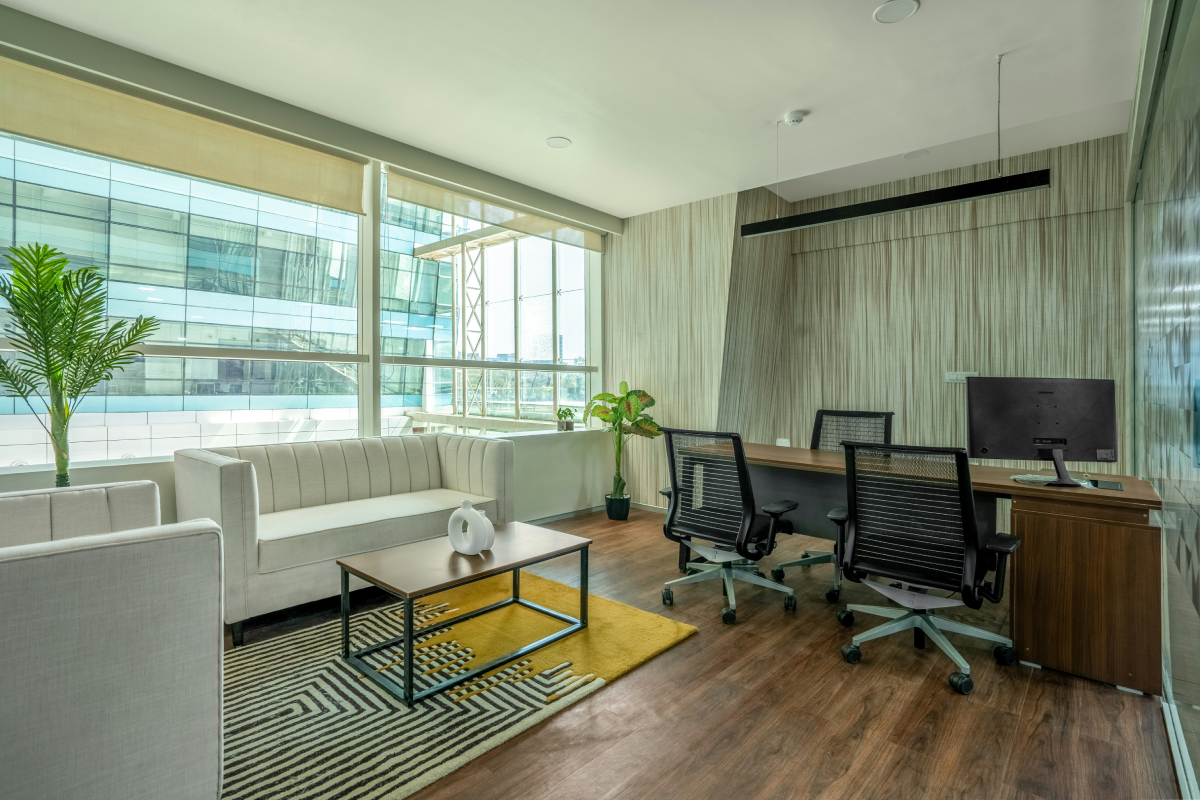
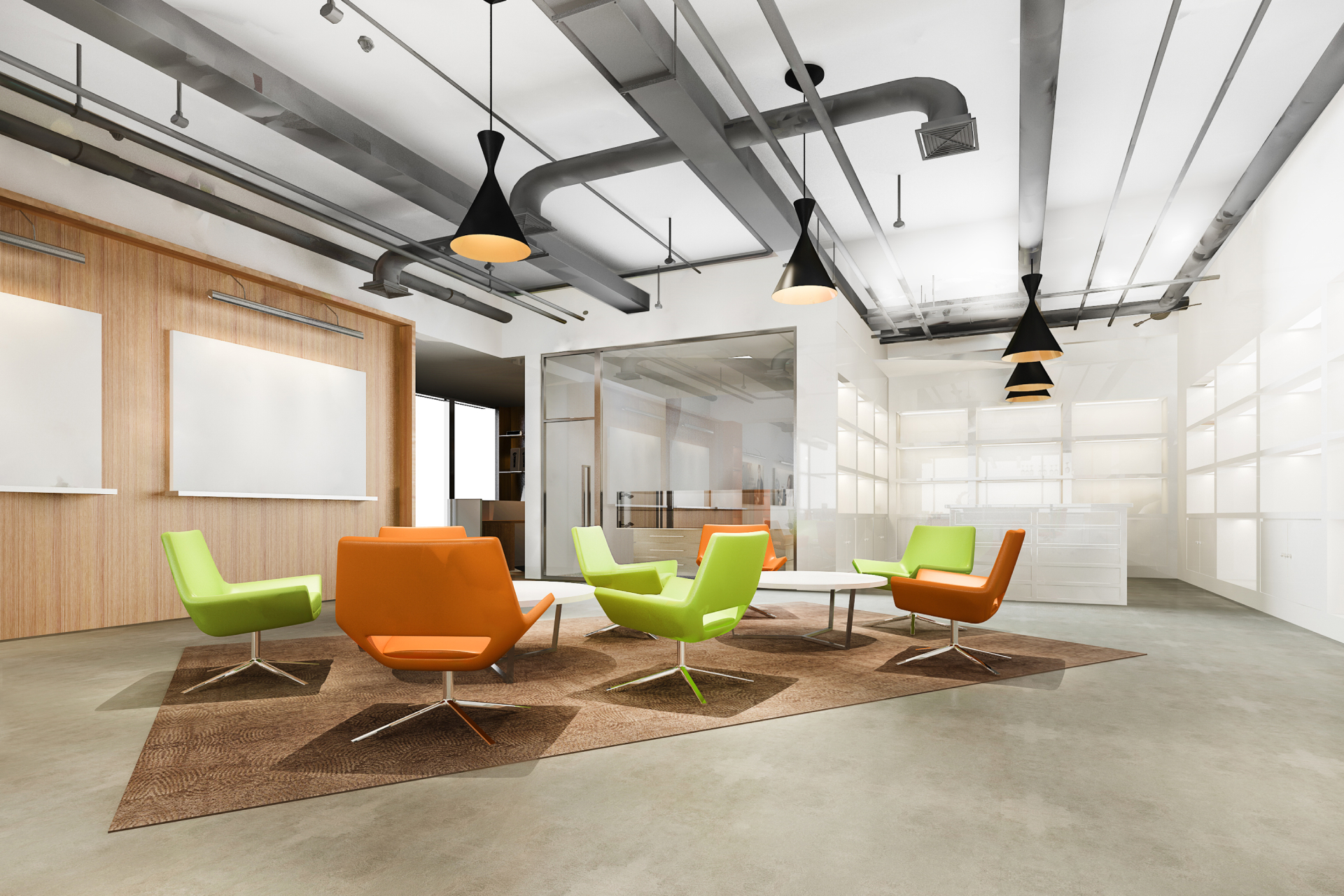
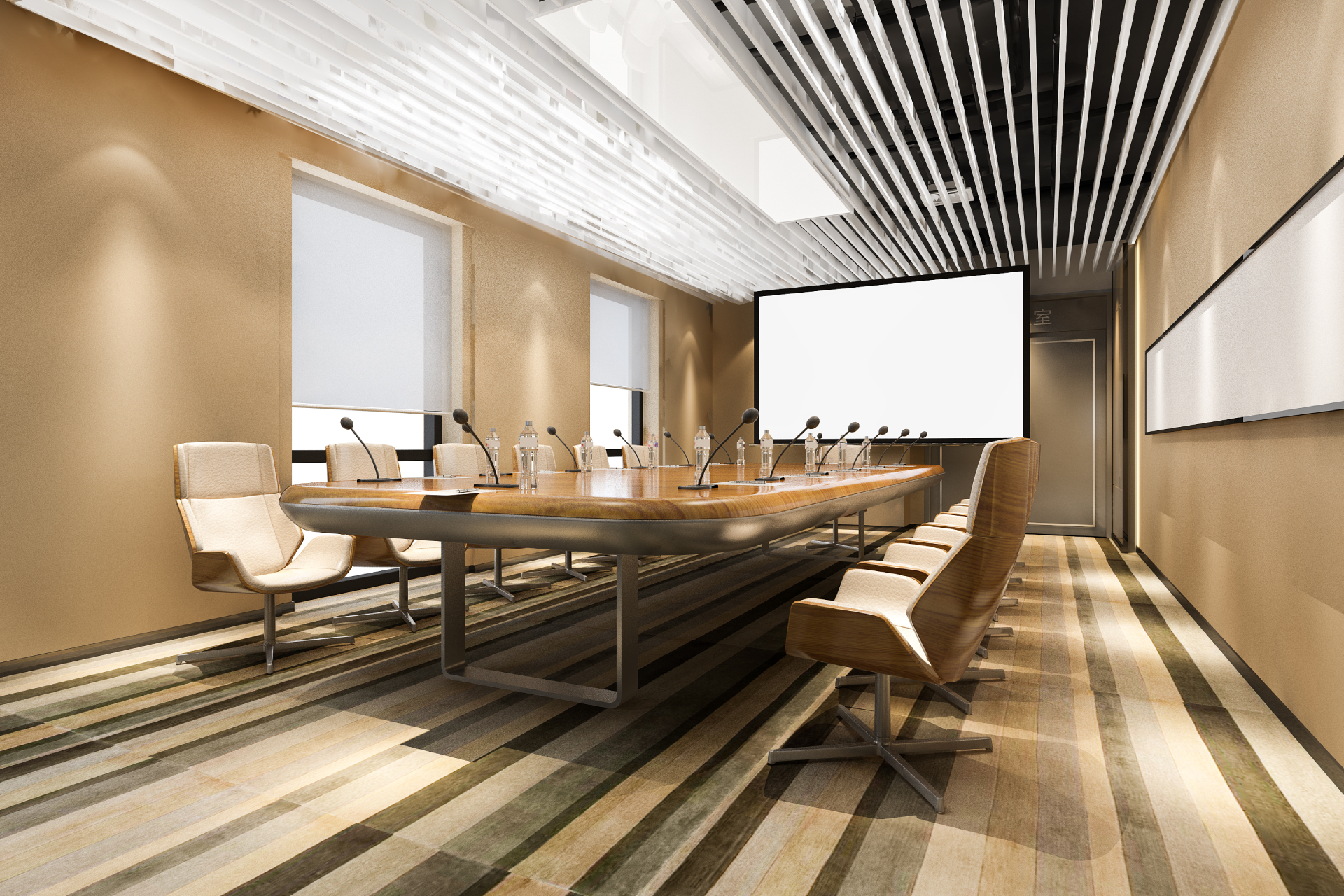
A hybrid office should make room for both. That could mean flexible desks for employees who aren't in every day, quiet areas for focused work, meeting rooms for discussions, and informal spaces where people can quickly exchange ideas. Video meeting rooms have become just as important, especially when part of the team is working remotely.
When employees have different spaces to choose from, they naturally use the office in a way that suits the work they're doing.
Hybrid work depends on technology, but it shouldn't get in the way. Most offices now rely on video calls, shared displays, wireless presentations, and a strong internet connection every single day. If these things aren't considered while planning the office, they often become difficult to manage later.
Simple details, like placing power sockets where people actually need them, organising cables neatly, and setting up meeting rooms properly, make everyday work much smoother.
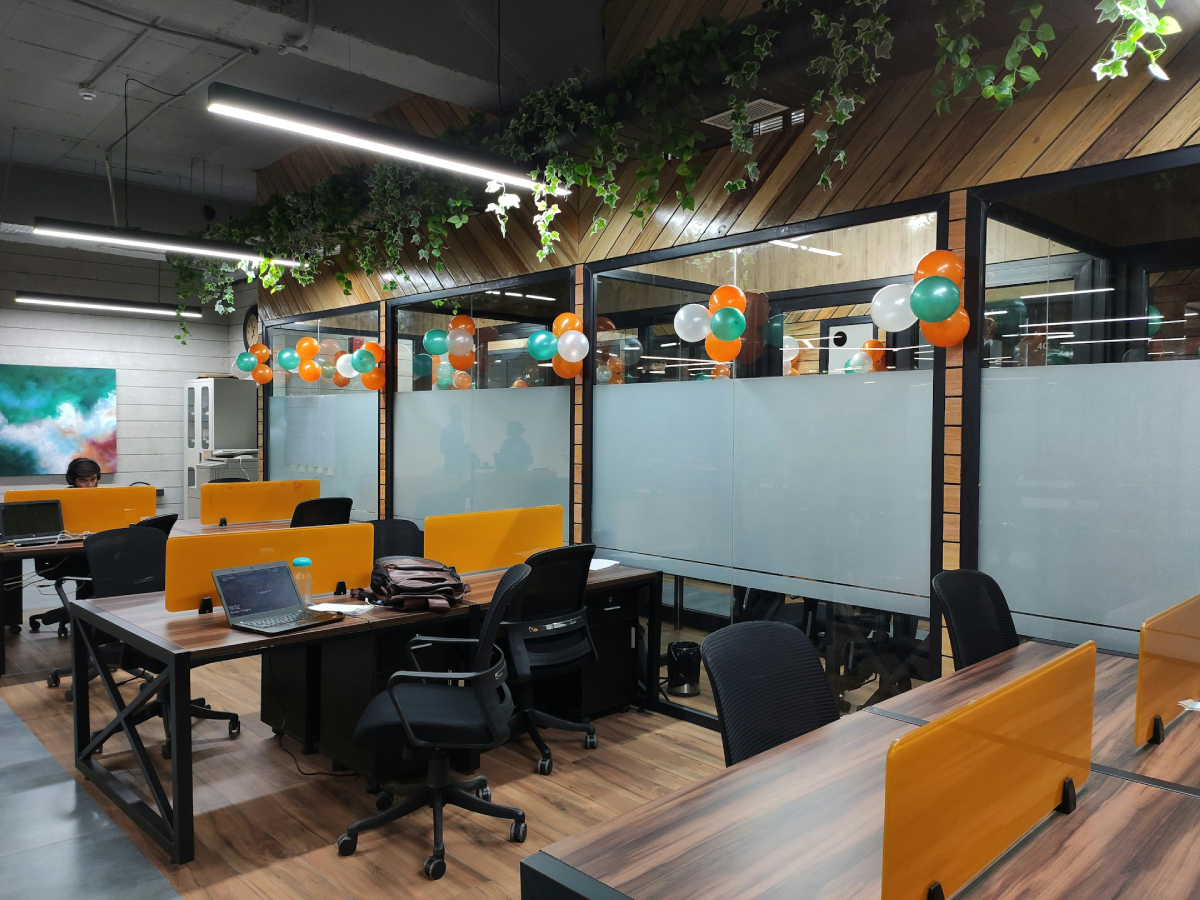
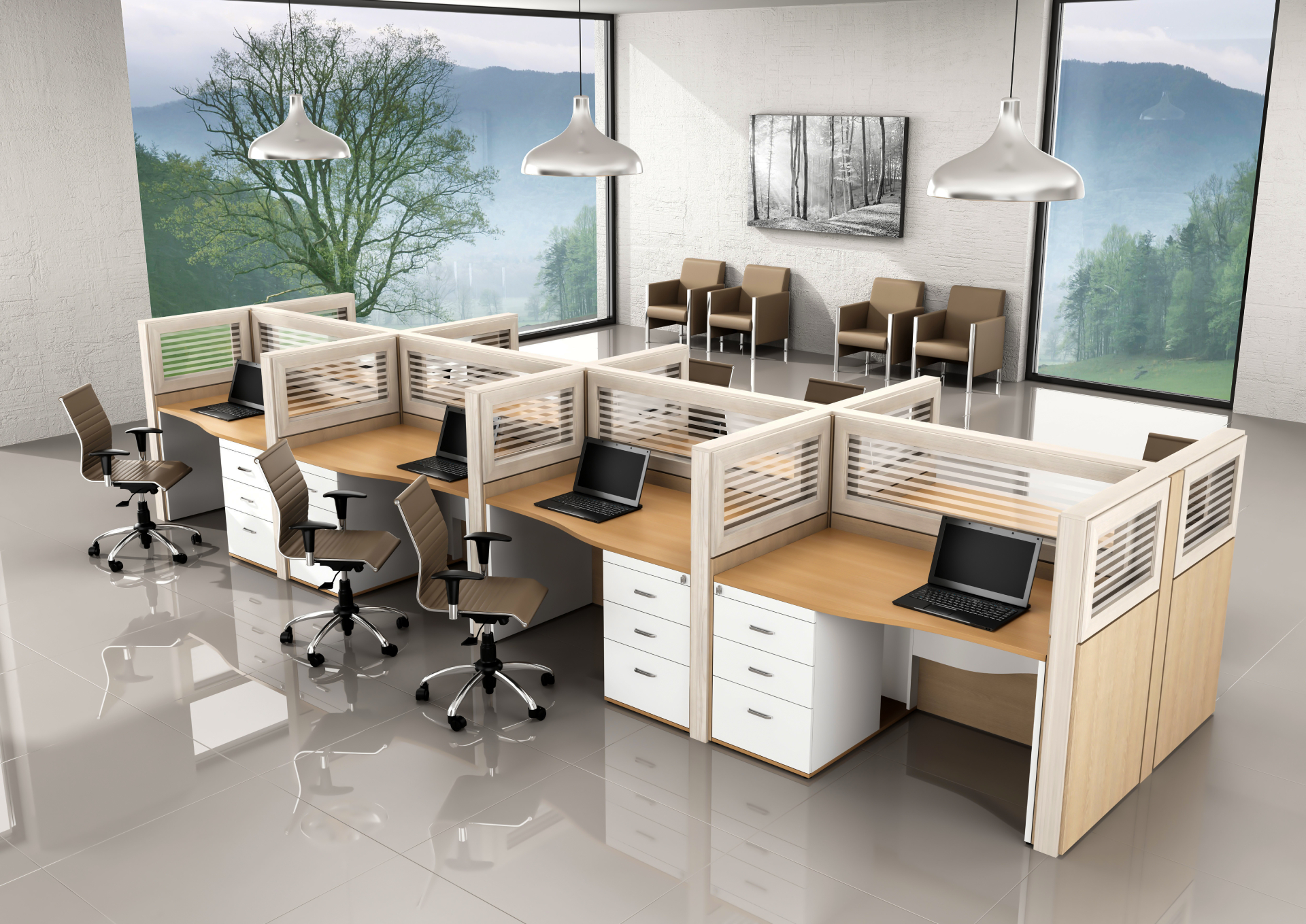
Hybrid offices don't always need more space. They simply need smarter planning. Many businesses have realised that assigning a permanent desk to every employee often leaves large sections of the office unused.
Instead, flexible seating, shared workstations, and multi-purpose spaces help make better use of the available area. A meeting room can also serve as a brainstorming space. Breakout zones can become informal discussion areas. Small design decisions like these help improve space utilisation without making the office feel crowded.
Most people don't think much about office design until something starts bothering them. Maybe the chairs aren't comfortable. Maybe the lighting feels too harsh. Sometimes it's simply that the space feels crowded after a few hours.
That's why a customized workspace for hybrid teams should be planned around the people using it every day, not just how the office looks. Comfortable furniture, enough natural light, proper ventilation, and a little space to move around can make a bigger difference than most businesses expect.
Small things matter too. A quiet corner for focused work, a breakout space for short conversations, or better acoustic planning can make the office feel easier to work in without changing everything.
Every company has its own way of working, and the office should reflect that.
The colours, layout, furniture, reception area, and even the way meeting spaces are planned all say something about your business. Clients form an opinion within minutes of walking in, but the office isn't designed only for visitors.
Your team uses the space every single day. When the office feels organised, comfortable, and connected to your company's culture, it becomes a place where people actually enjoy working rather than simply showing up.
Every project begins with understanding how the office is used today and how it may need to function as the business grows.This is why businesses choose us:
Hybrid work is no longer a temporary change. For many businesses across India, it's simply how work happens now. A customized workspace for hybrid teams helps employees collaborate more easily, makes better use of office space, and creates a workplace that's ready for changing business needs.
The best offices aren't necessarily the biggest or the most expensive. They're the ones that quietly support the people using them every single day. At Corporate Interiors India, that's exactly what every workspace is designed to do.